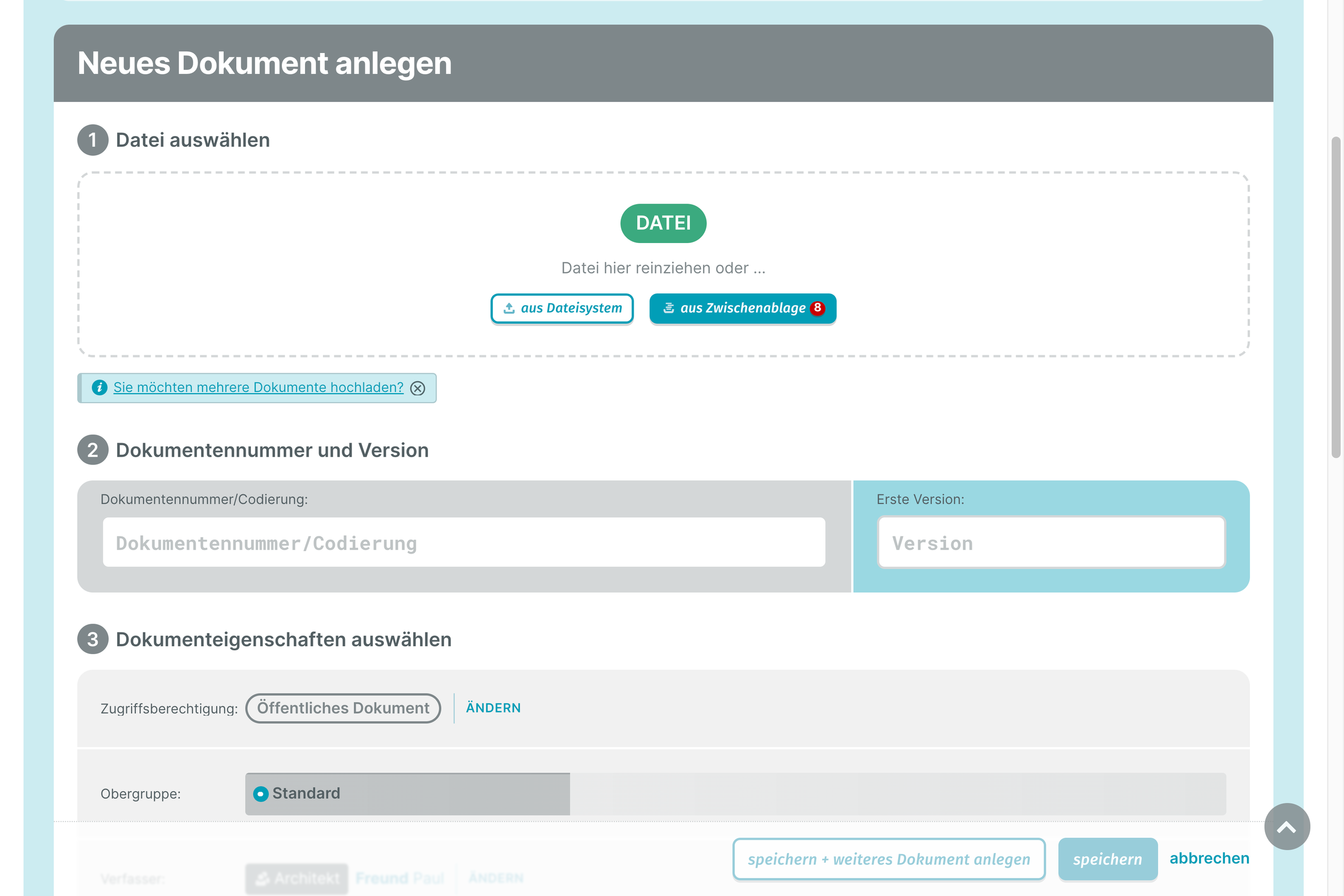
Digital construction project management refers to the use of digital technologies and software applications to improve the process of managing construction projects. Essentially, digital construction project management means replacing the traditional paper-based approach to project management with digital tools and platforms.
Digital construction project management can have a variety of applications, including managing project data, coordinating teams, planning schedules and budgets, monitoring progress and managing risk. Digital construction project management can also involve the use of building information modeling (BIM), a process for creating and managing 3D digital models of the construction project.
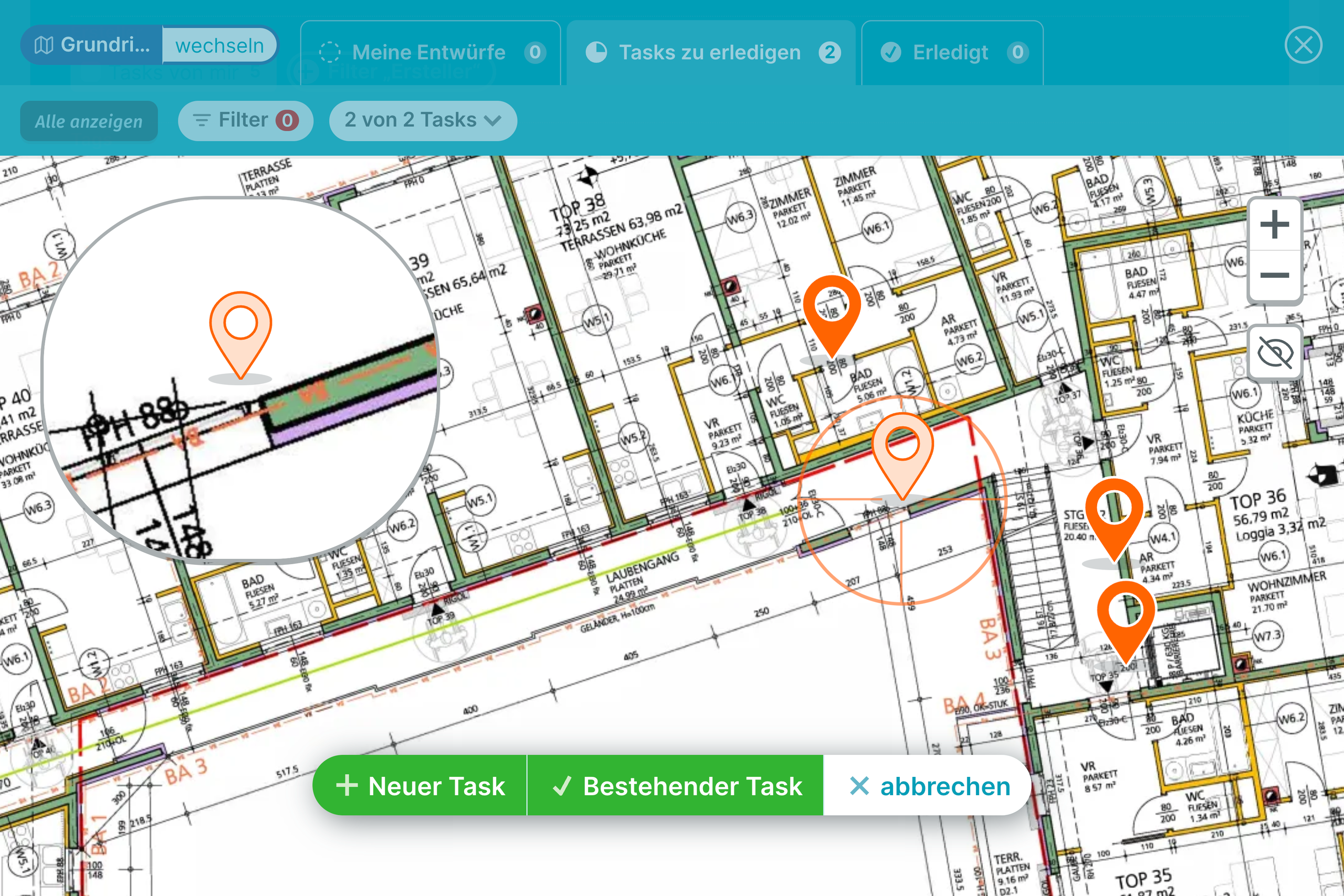
Digital or mobile defect management refers to the use of digital or mobile technologies to support the process of identifying, documenting, tracking and resolving defects in a project or organization.
Compared to traditional defect management, which involves manually recording and tracking defects on paper or in Excel spreadsheets, digital or mobile defect management offers a variety of benefits.
For example, defects can be recorded and documented directly on site using a mobile device, saving time and effort and reducing the error rate. Using digital or mobile solutions also enables effective collaboration and communication between team members, as information is available in real time and can be accessed from any location. Other features include automatic defect assignment notifications, progress tracking, status updates and reporting.
In summary, digital or mobile defect management is an effective and efficient solution that improves the accuracy and transparency of defect management processes, promotes collaboration, and increases the speed of defect resolution in construction.