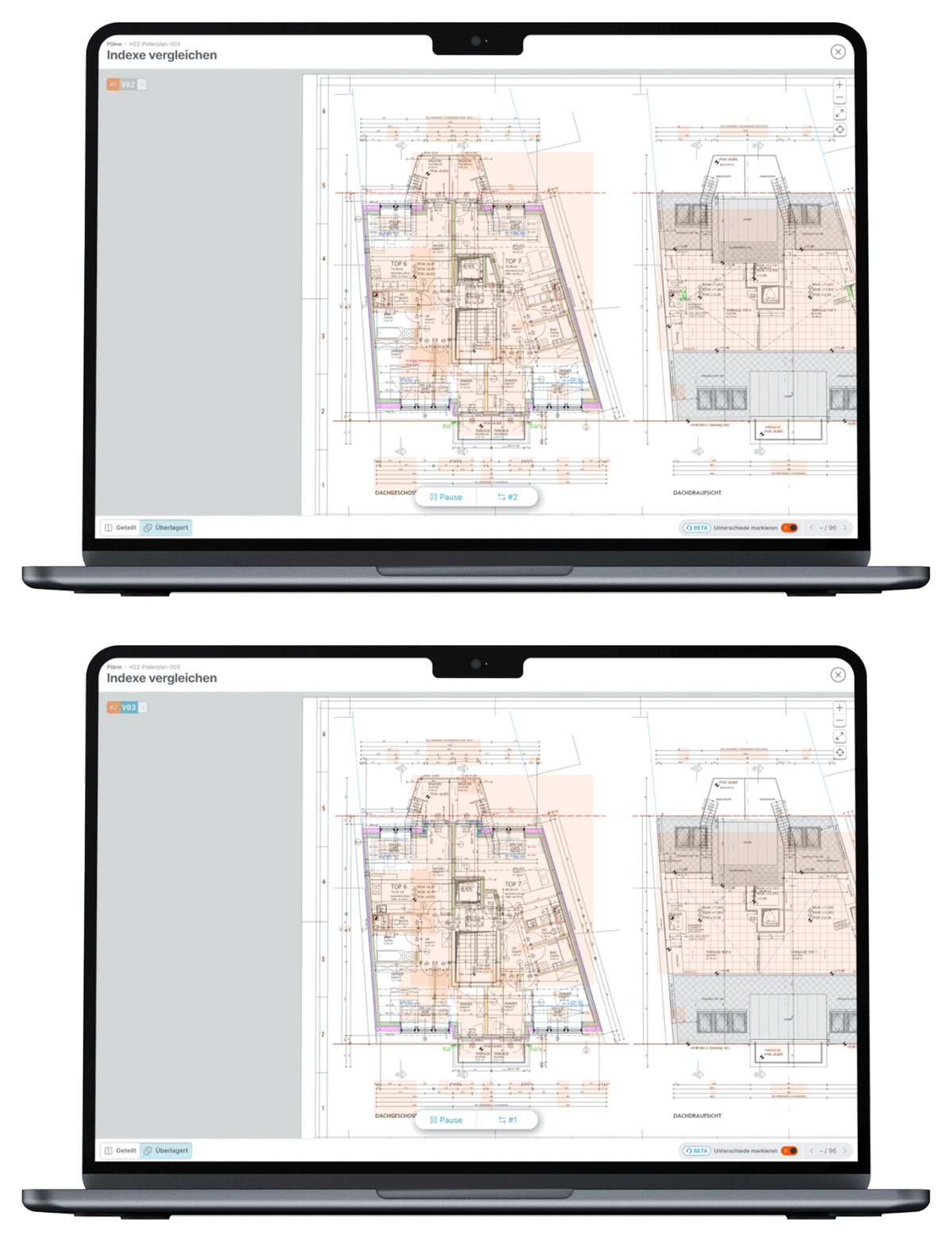
PLANFRED Supports Lübeck’s Theater Renovation
The City of Lübeck is using PLANFRED for its largest project, a full renovation of its theater, and proving that PLANFRED can handle large projects.
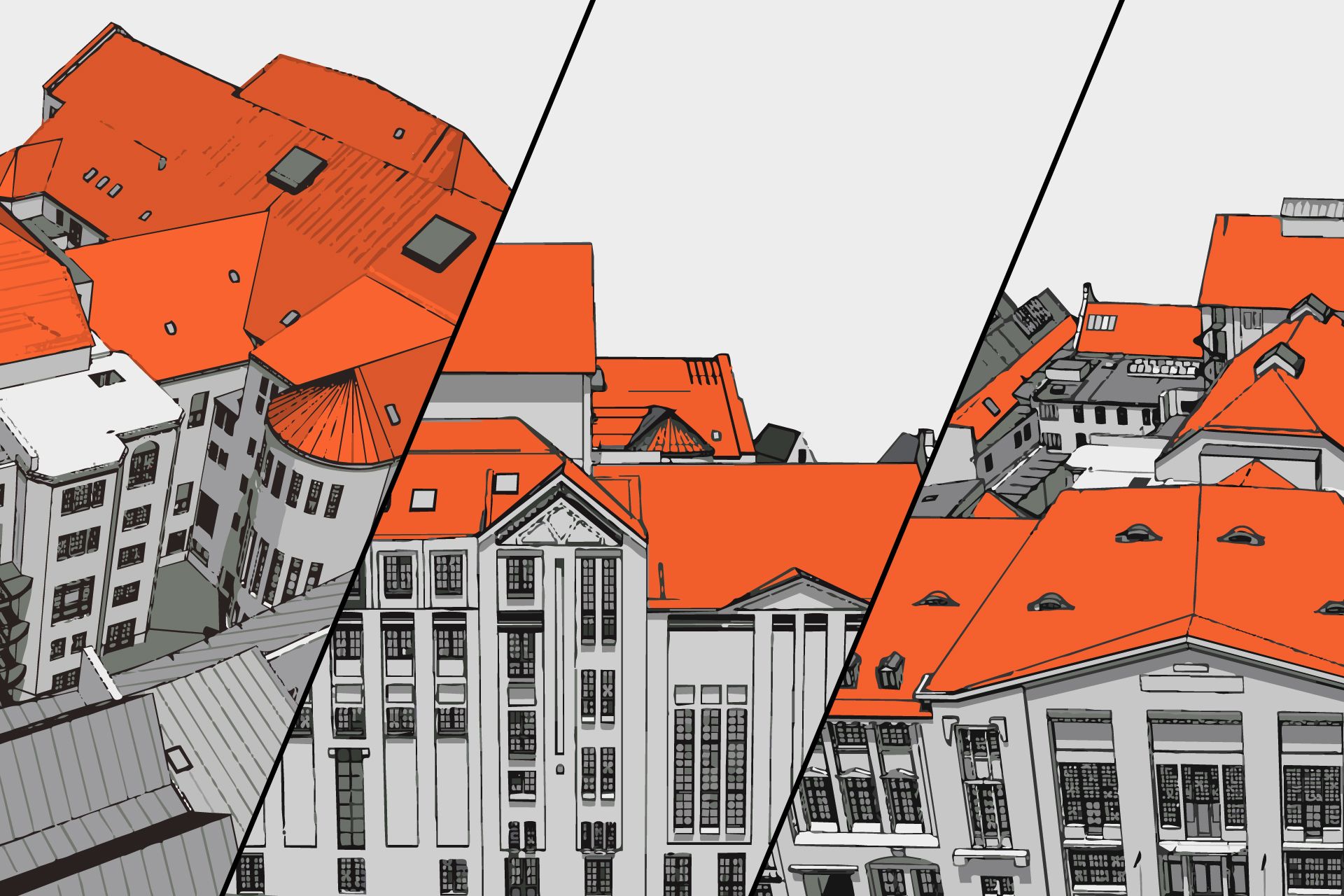
Theater Lübeck
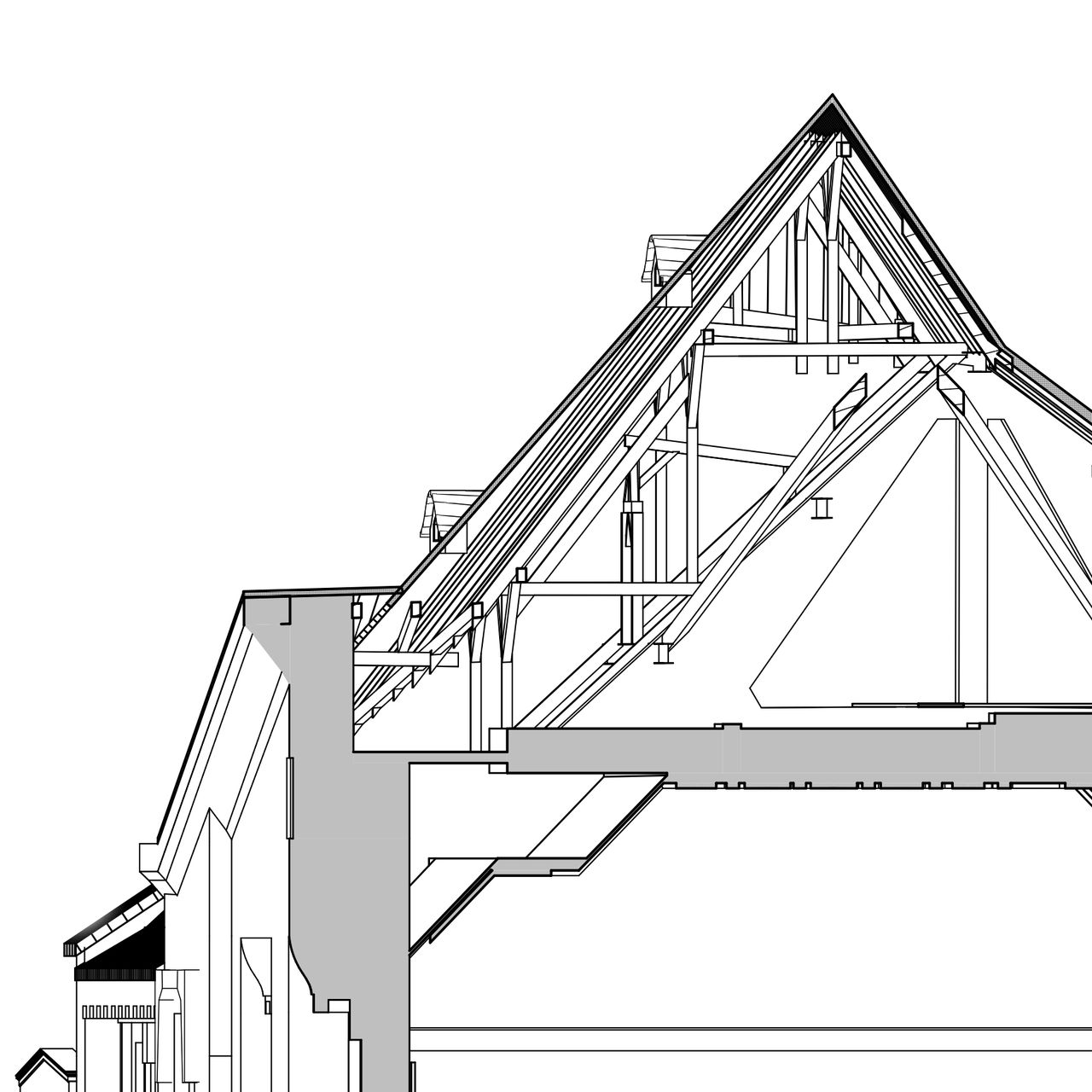
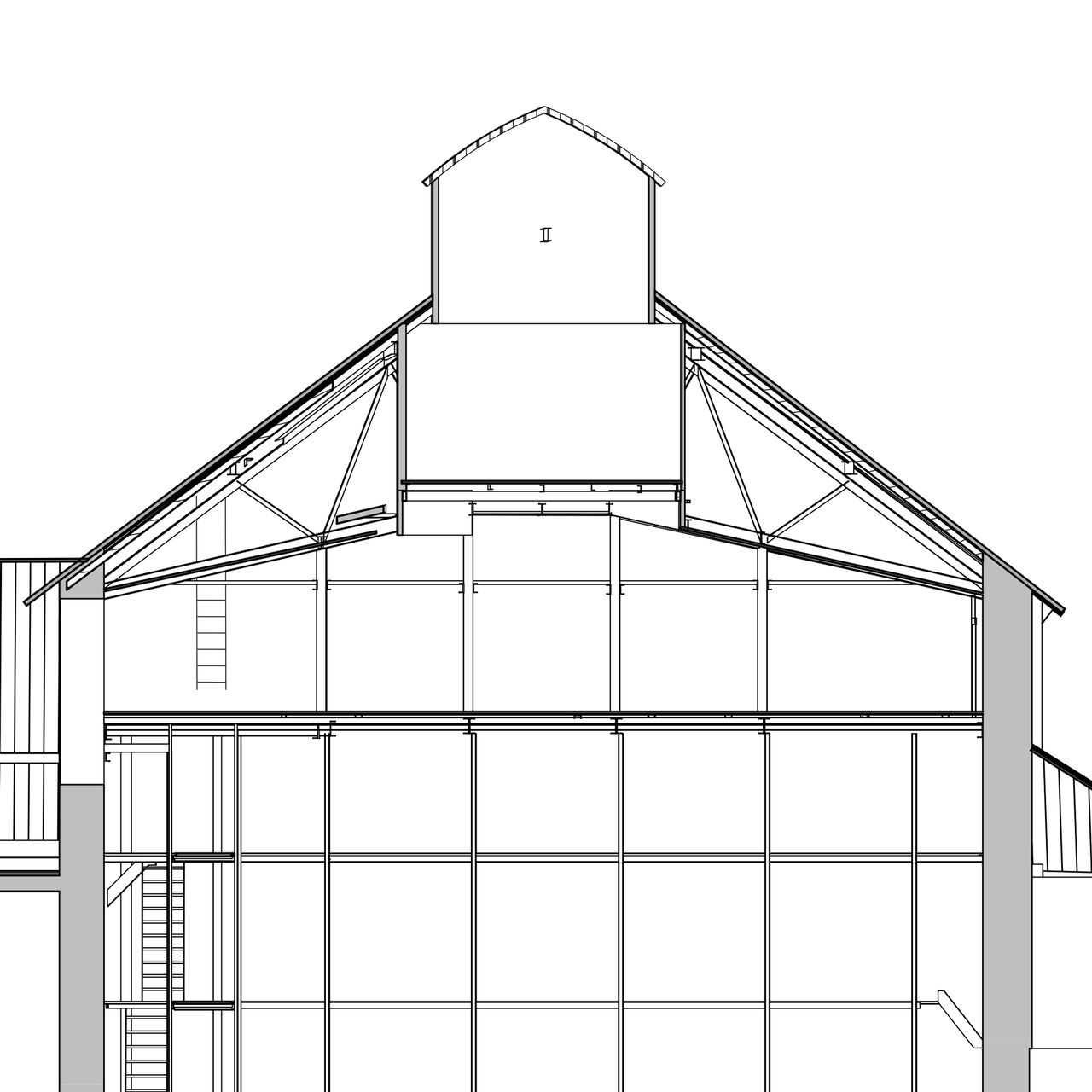
The building on Lübeck’s Old Town island dates to the early 20th century. Its many details, including the original leaded-glass windows, make it the kind of building you don’t see built today, says Tim Kremer-Ramin, a subproject manager for the City of Lübeck. It is now due for a complete renovation to bring it up to current requirements so it can operate for another 30 years. It’s a complex project with five interlocking sections covering 22,000 square meters of gross floor area. The building houses about 400 employees across 30 departments, from management to makeup and set construction.
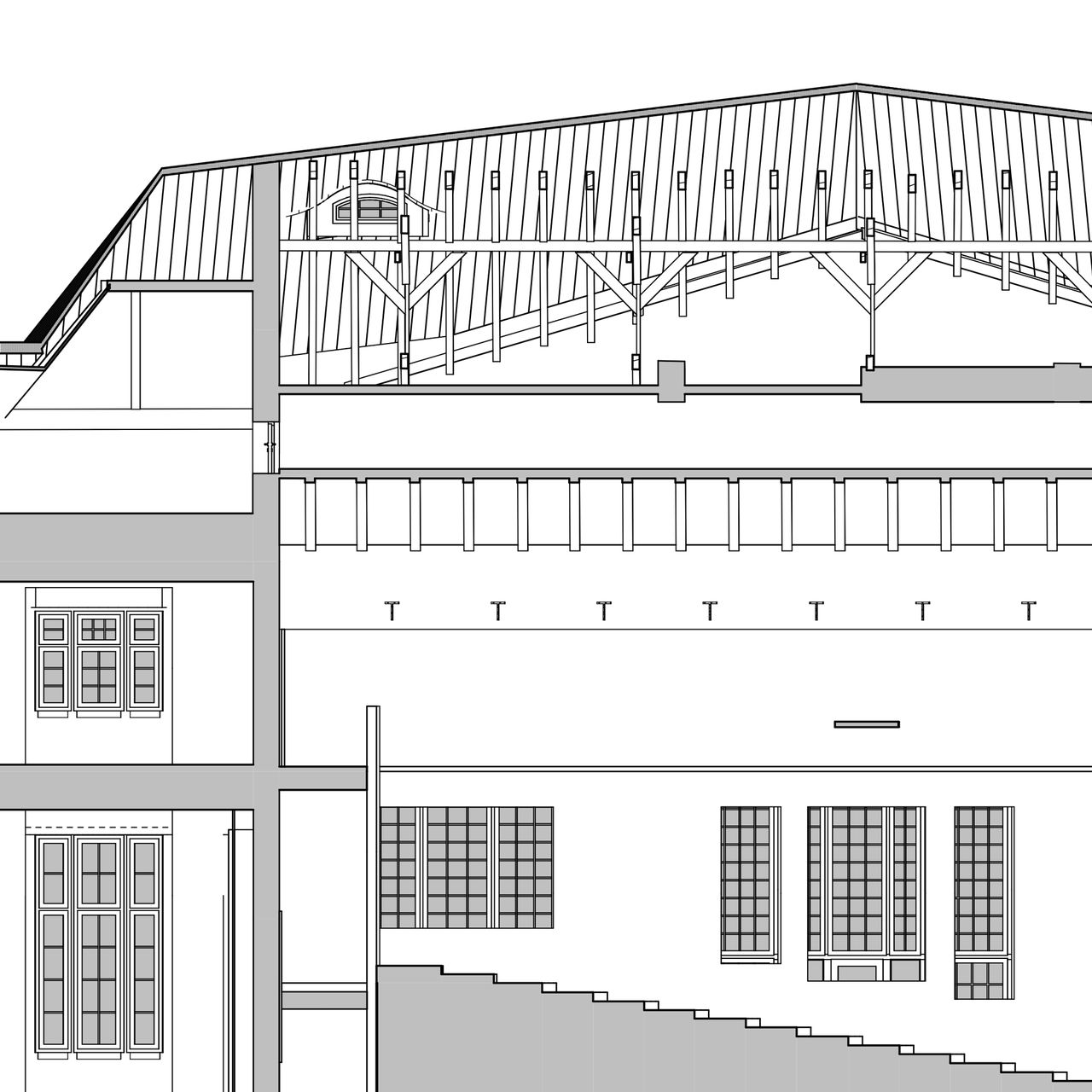
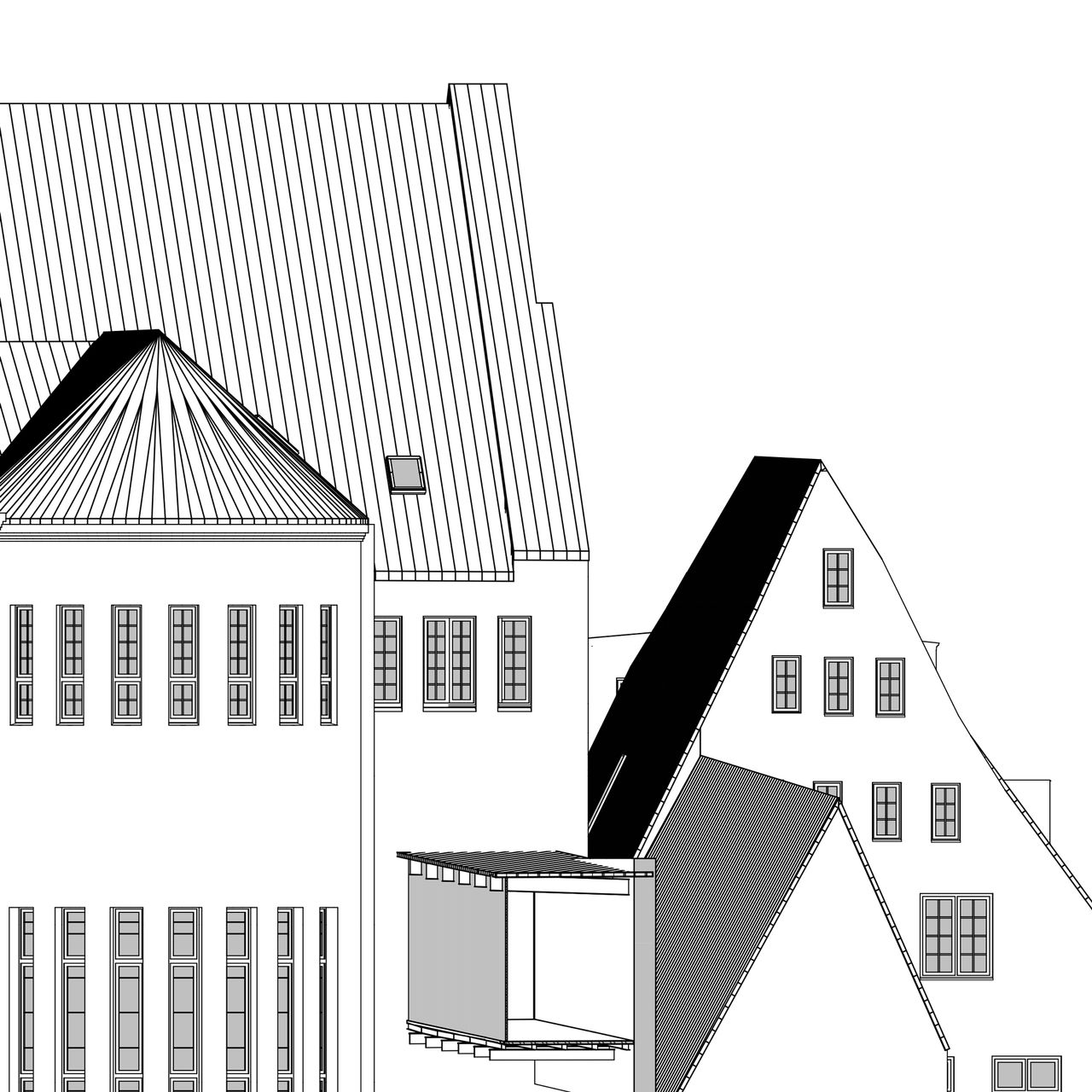
PLANFRED in use
The City of Lübeck uses PLANFRED for everything from sharing drawings and documents to approving drawings, managing tasks, and documenting progress with photos. Some colleagues were skeptical of PLANFRED at first, Kremer-Ramin recalls: “We talked about whether PLANFRED would be enough or whether we’d need different software to keep things under control. A lot of colleagues who’d worked with these tools always said PLANFRED only worked for small projects and that it wouldn’t work for large, complex ones. Now we’re showing with the theater that it can. You can manage large projects with it, too.”
The need for more transparency
The €200 million project is still in its early stages, but the team’s concerns have already been resolved. Managing and overseeing the project has become easier and more transparent. It’s important to know who received and downloaded which documents, and when. Kremer-Ramin describes how it used to go before PLANFRED: “One person says, ‘I sent it.’ The other says, ‘I didn’t get it.’ We don’t have that problem anymore. Now we can say for sure, ‘It’s on the server. You received it.’”
More firms see the benefits
The impact now reaches beyond the city administration. Even architecture firms that took a long time to come around see the benefits: “I used to have to pay an architect to provide a solution. Now the architect says, ‘Thanks for the tool. It saves me so much work that I don’t want to charge anything extra for it.’”